 GBH 20 years | People • Purpose • Impact

APAP

Thank you for contacting GBH.
A representative will contact you as soon as possible.

APAP Business Banking App
Designing clarity for complex corporate transactions




The Situation
Asociación Popular de Ahorros y Préstamos (APAP) set out to expand its digital services by offering a dedicated mobile app for business clients. The goal was to bring the ease of personal banking to corporate banking, where accounts are shared, transactions are complex, and approvals often involve multiple roles.
Business customers needed a mobile-first way to initiate and approve transactions without relying solely on desktop Internet Banking. A focused mobile channel would improve access, responsiveness, and day-to-day efficiency for corporate users.
APAP‘s Context
Vision
Give business users a clear, reliable way to manage products and transactions on the go, while keeping teams connected through transparent, role-based controls and approvals.
Why
Goals
Deliver a mobile app that:
- Supports multi-user corporate accounts with role-based visibility and control.
- Simplifies complex transaction flows while preserving compliance and traceability.
- Works alongside existing Internet Banking to initiate and complete transactions seamlessly.
Vision
Give business users a clear, reliable way to manage products and transactions on the go, while keeping teams connected through transparent, role-based controls and approvals.
Goals
Deliver a mobile app that:
- Supports multi-user corporate accounts with role-based visibility and control.
- Simplifies complex transaction flows while preserving compliance and traceability.
- Works alongside existing Internet Banking to initiate and complete transactions seamlessly.
Why
The GBH Difference
Adaptable agile process
We modified our agile framework to accommodate a high-urgency schedule. Discovery and validation methods were adjusted to meet the constraints, then returned to a regular pace once the main risks were mitigated.
High-frequency collaboration
We kept design, product, engineering, QA, and the client team tightly aligned through frequent check-ins, sprint reviews, and focused expert sessions. This kept the roadmap realistic and work flowing without gaps.
Incremental value delivery
We structured the MVP into distinct sections (Login & Onboarding, Product Management, Transactions) and delivered these in stages. Each stage was a “package” of features ready for engineering to implement right away.
Practical craft
- Flow-first validation: we used detailed flowcharts to align early on rules, exceptions, and handoffs, which reduced churn later in the process.
- We grounded decisions in real usage patterns: We included at least one new tester per sprint. When direct access to users was limited, we relied on APAP subject matter experts to verify edge cases, validate flows and iterative prototypes, focusing on clarity, safety, and speed for high-stakes transactions.
- We tailored the visual language for business users: a darker palette with APAP’s yellow accents for a focused, professional look that still felt on-brand.
What We Did
Full project cadence
Late
2022
Discovery and kickoff:
- Joint kickoff to align on scope, urgency, and first-release must-haves.
- High-level screen and feature mapping to understand the product surface.
- Early hybrid sprint to deliver the Login flow fast while building the design system and research foundations.
Early
2023
MVP design and build:
- Section flowcharts to size complexity and reduce back-and-forth in wireframing.
- Iterative prototyping and validation with APAP experts to refine details for complex flows.
- “Package” delivery model: each sprint closed with production-ready designs and specs, unblocking development.
- Continuous QA and DevOps support through to release and handoff.
May
2023
Launch:
- Public release of the first version of the APAP Business Banking App with the full MVP scope.
Key features delivered
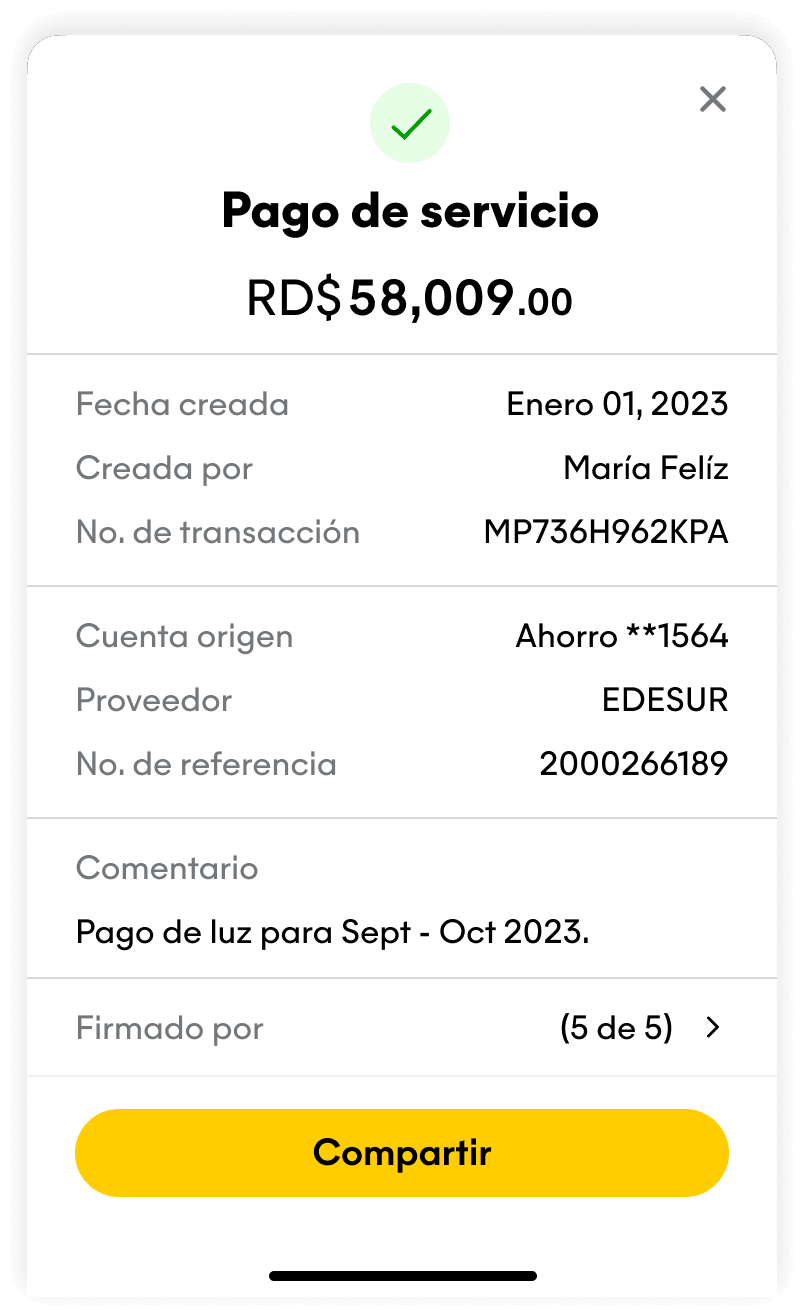
- Product management: Clear overview of corporate accounts and products with role-appropriate visibility.
- Multi-tiered approvals: Configurable approval chains that reflect real corporate hierarchies and signatures.
- Customization settings: Controls for roles, notifications, and preferences to tailor the experience by company and user.
- Transactions
-
- Eight payment transaction types designed for clarity and traceability.
- Payroll payments setup and approval to handle batch processes reliably.
- Signature-required payments management with transparent status and next-step visibility.
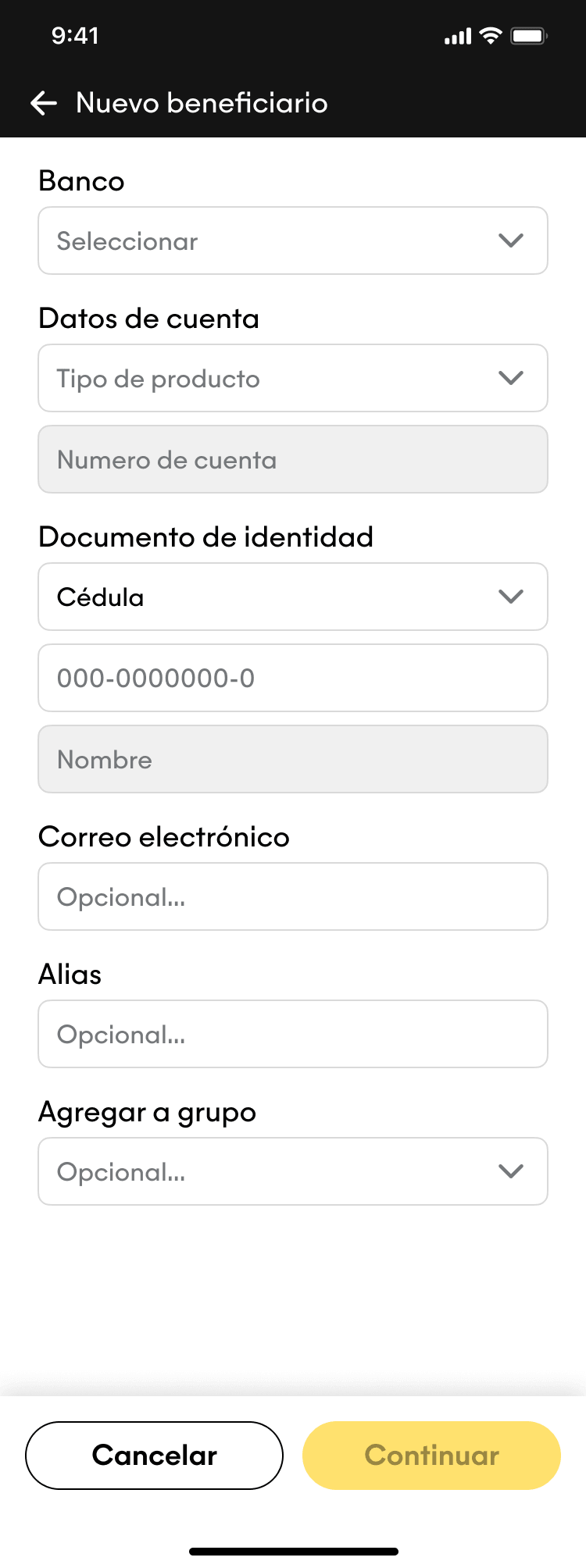
- Transaction validation steps embedded to reduce errors and ensure compliance.
Internal KPIs
These metrics worked together to give us a live view of delivery health. They helped us size sprints realistically, keep decisions moving, reduce rework, and maintain quality—all while meeting the agreed MVP goals on a tight timeline.
The Result
Market launch
The APAP Business Banking App launched in May 2023 with the planned MVP scope, complementing APAP’s Internet Banking for corporate users who needed to initiate and complete transactions on mobile.
What the product enables
Corporate teams can:
- Manage products with role-based clarity.
- Run payroll payments with controlled setup and approval.
- Complete signature-required payments with transparent status and auditability.
- Validate transactions through guided steps that reduce errors.
- Configure approvals to match real organizational structures.
Foundation for growth
The MVP established the product baseline and a UX backlog for continued releases aligned to APAP’s roadmap.

Project performance
Velocity
Commitment reliability
Flow efficiency
Quality analytics
Stakeholder engagement
Design readiness and definition of done